Historic Charm Or New Build? Choosing A Lincolnton Home
If you are house hunting in Lincolnton, one question can shape your whole search: do you want the character of an older in-town home or the convenience of a new build? It is a common choice here because Lincolnton offers both historic homes near downtown and newer construction farther out along growing corridors. When you understand how price, layout, upkeep, and location tend to differ, you can make a more confident decision. Let’s dive in.
Lincolnton is not a market where age alone tells you everything. In March 2026, Redfin reported a median sale price of $275,000, a median of 71 days on market, and a 95% sale-to-list ratio, while Zillow placed the average Lincolnton home value at $297,961. That means buyers and sellers both benefit from looking closely at condition, updates, and location instead of assuming old or new is always better.
The city also has a clear split in how homes are positioned. Downtown remains a mixed-use residential core, while newer housing often spreads toward major corridors and edge-of-town areas. In practical terms, your decision often comes down to downtown charm and walkability versus newer space and modern layouts.
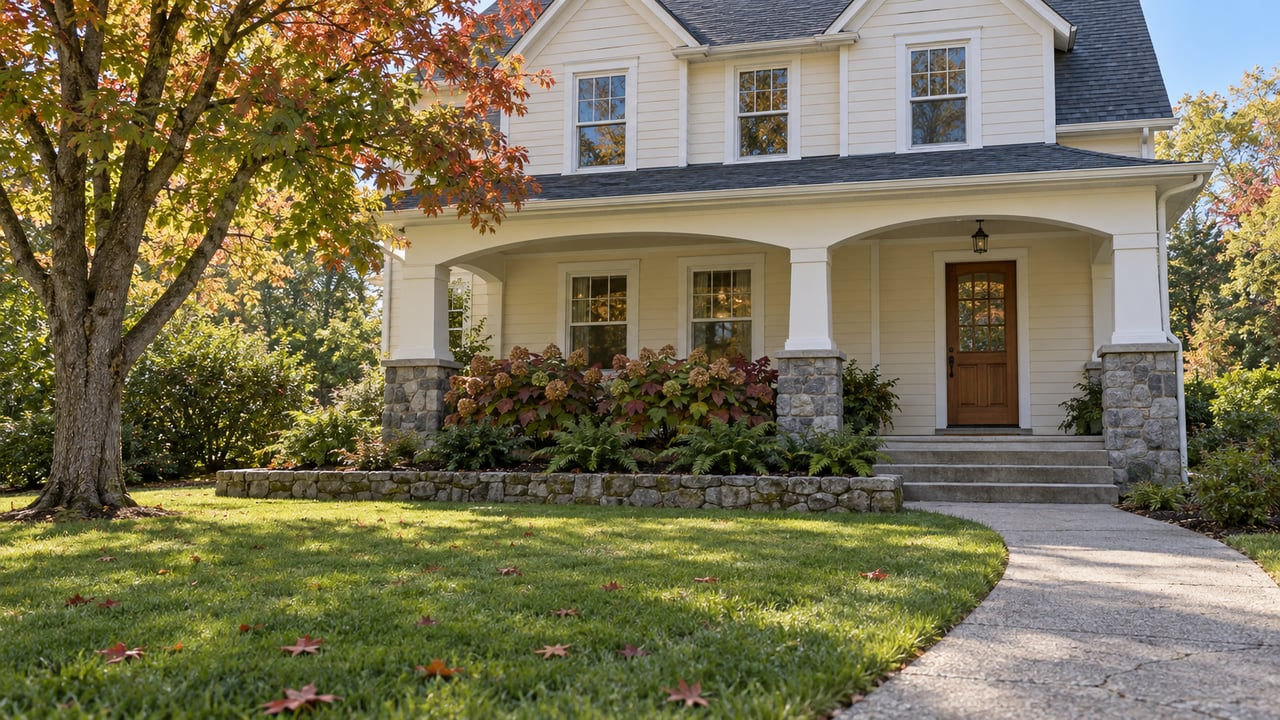
Historic homes in Lincolnton tend to be concentrated near the city center, including the South Aspen Street and West Main Street historic districts. These areas reflect development from the mid-19th through the mid-20th century, and West Main includes some of the city’s largest surviving collection of pre-Civil War buildings. You will often see a mix of Federal, Greek Revival, late Victorian, Colonial Revival, bungalow, Craftsman, and cottage-style homes.
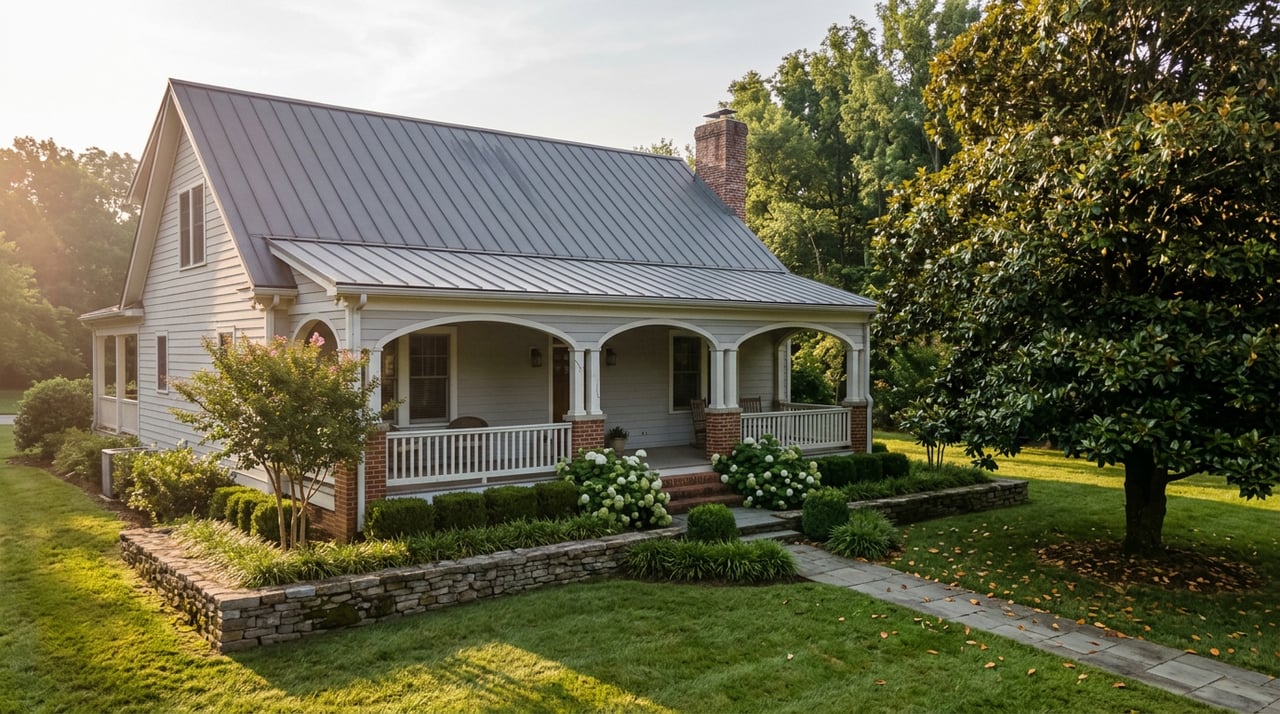
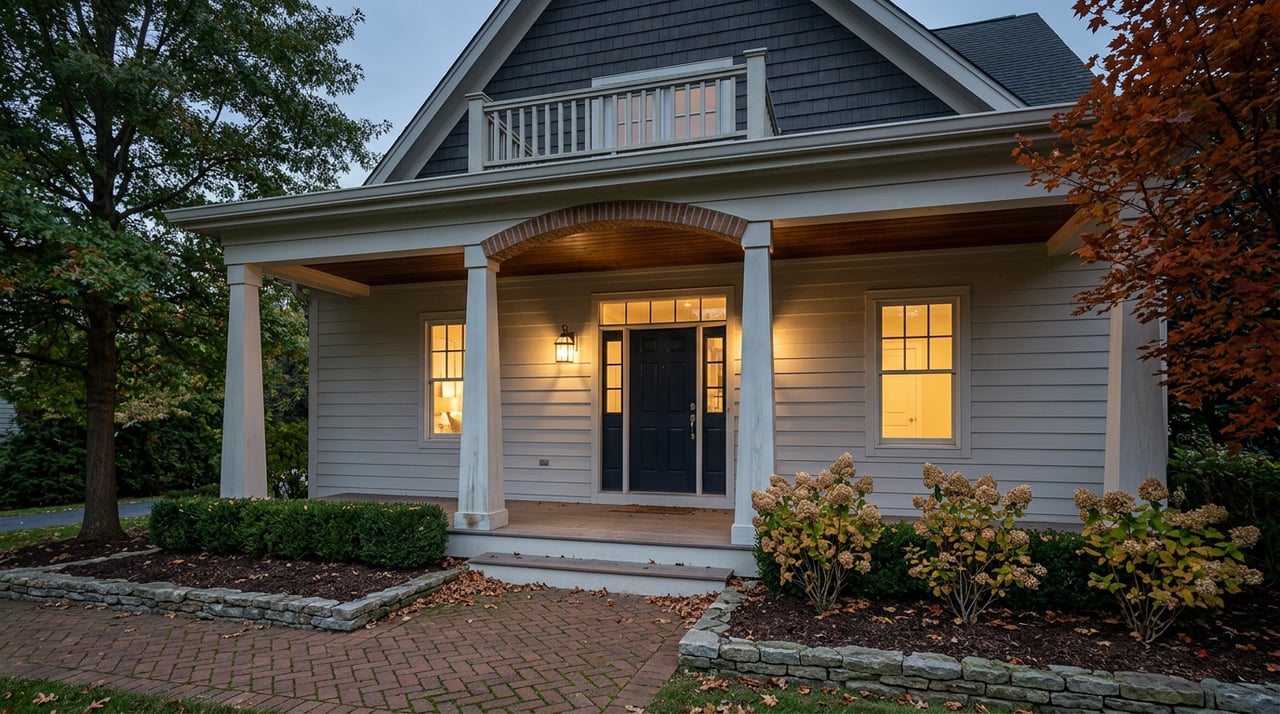
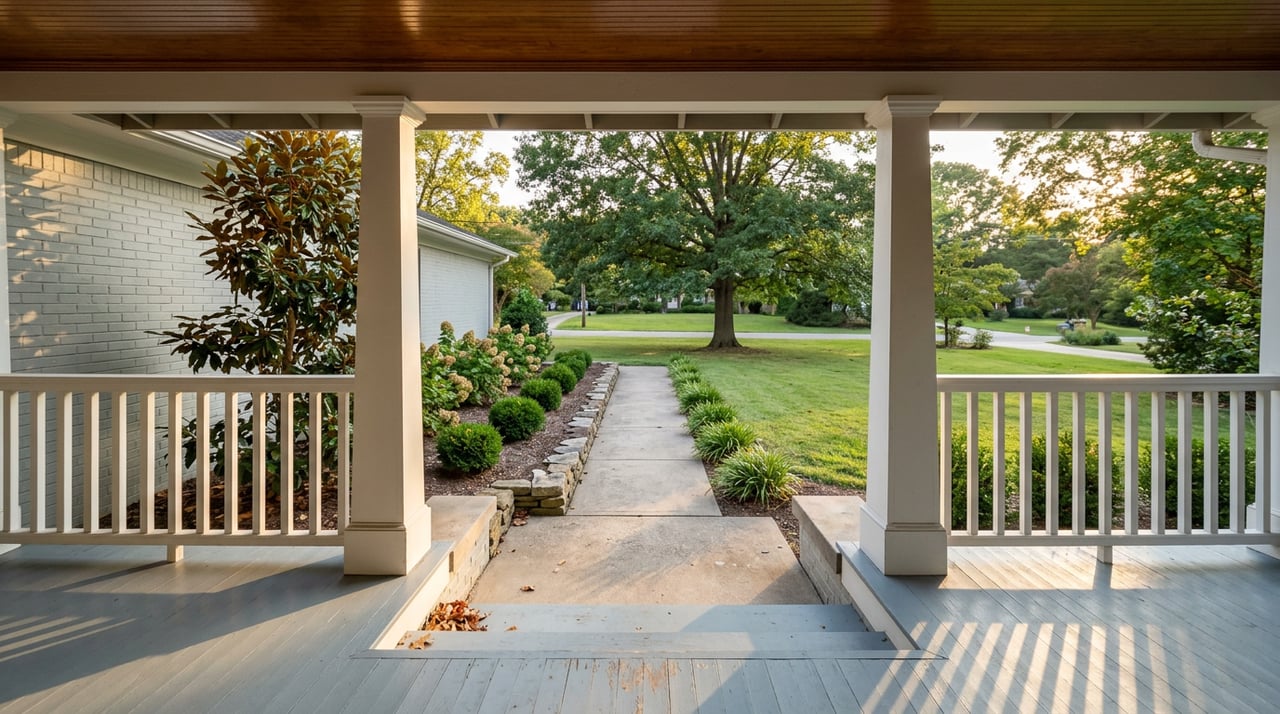
That variety is part of the appeal. A historic home can give you architectural details and a sense of place that is hard to duplicate in newer construction. In Lincolnton, that often means front porches, established streetscapes, older trees, and homes that feel closely tied to downtown life.
Recent examples show that historic-core pricing can vary a lot depending on size, updates, and exact location.
The takeaway is simple: historic does not always mean cheaper or more expensive. In Lincolnton, value tends to follow condition, square footage, updates, and how close you are to the downtown core.
Older homes often have a different feel from newer builds. You may find formal dining rooms, dens, porches, lofts, main-floor bedrooms, or upstairs bedroom groupings instead of one large open living area. For some buyers, that creates warmth and flexibility. For others, it can feel less aligned with how they want to live day to day.
One of the biggest tradeoffs with an older home is maintenance. Many historic homes have already had major work completed, but update histories can vary from one property to the next. For example, the West Main listing specifically highlights rewiring, plumbing, HVAC work, window replacement, roof replacement, flooring, and gutter guards.
That is why inspections matter so much when you buy an older home. You will want to understand what has been updated, what may still need attention, and how those costs fit your budget. If a home is in a designated historic area, the county Historic Preservation Commission may also have some control over historically significant properties, which can affect certain exterior changes.
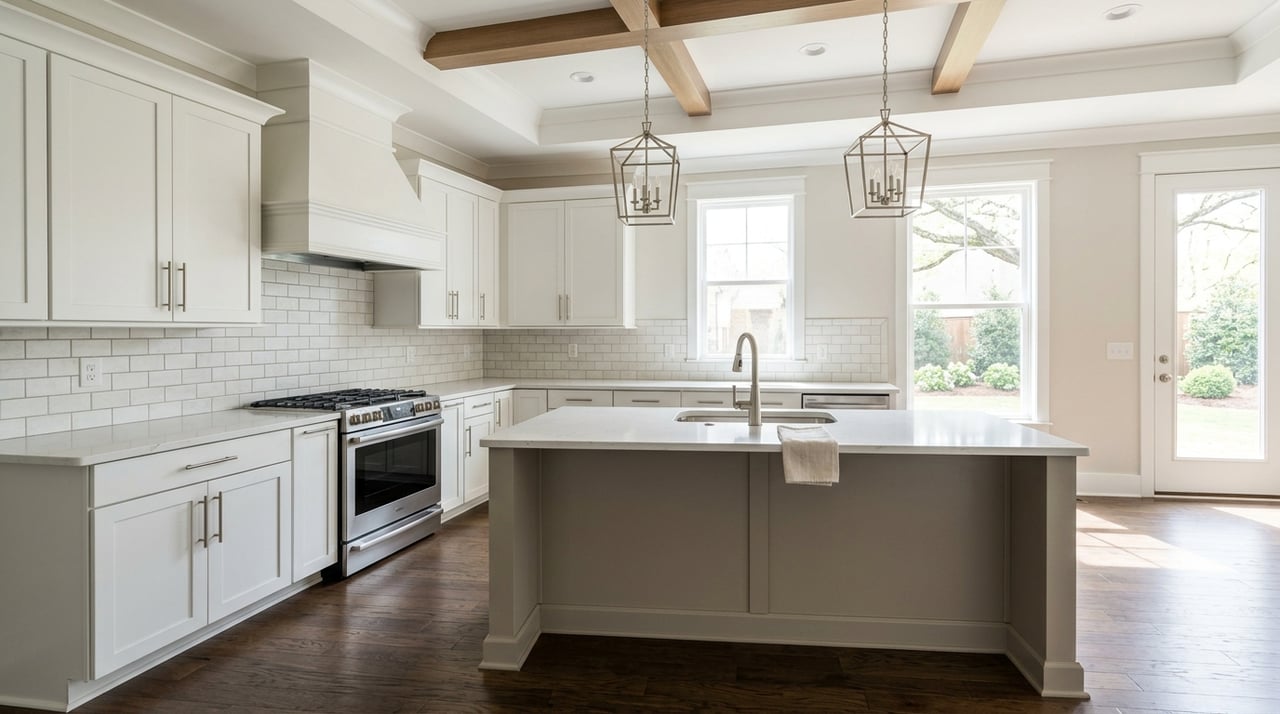
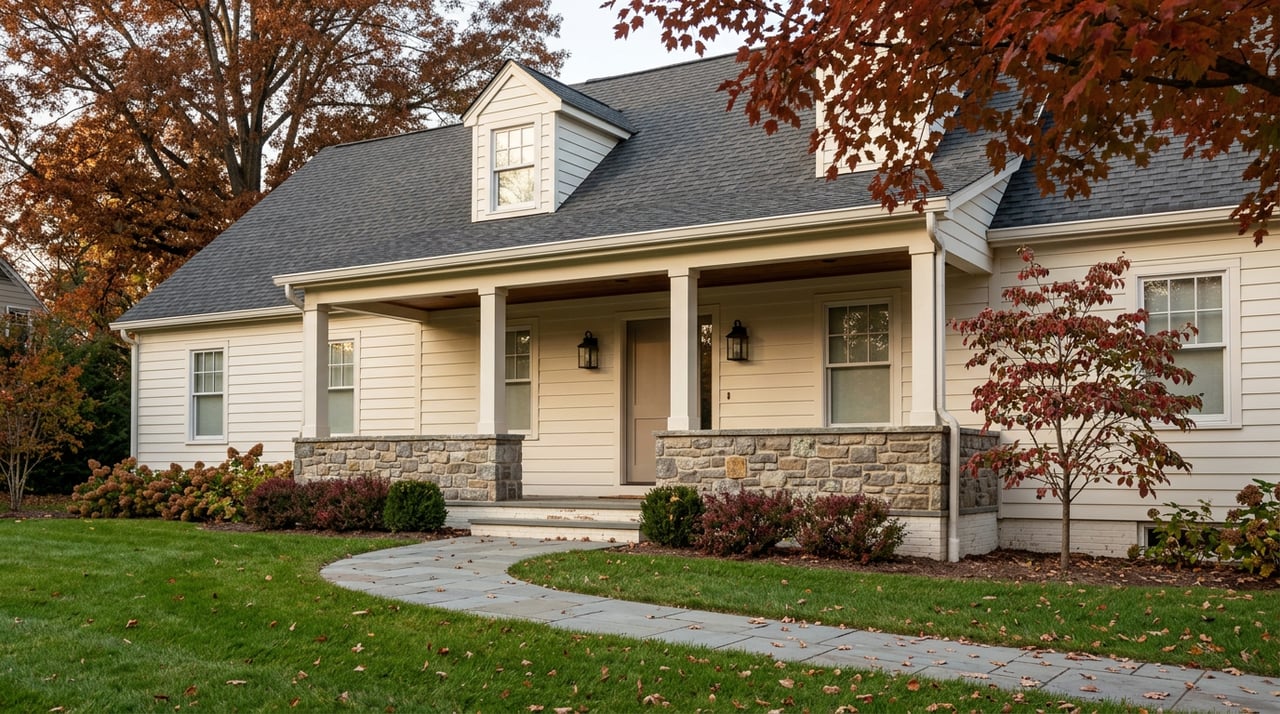
Newer homes in Lincolnton are often found in planned communities or on larger lots outside the historic core. These properties usually appeal to buyers who want a more turn-key experience, contemporary finishes, and layouts designed around today’s living patterns. If your priority is fewer near-term repairs and a more open floor plan, new construction may deserve a close look.
Lincolnton offers a wide range of new-home pricing.
Zillow’s current new-home search for Lincolnton also shows active examples from the high-$200s into the upper-$700s, with several community plans in the low-to-mid $300s. That gives buyers options whether you want an entry-level new build or a larger home with more land.
New homes usually lean toward open-concept designs. You are more likely to see great rooms that flow into the kitchen and dining area, flex or study rooms, primary suites, and 2-car garages. These features can make daily life feel easier if you want larger shared spaces and a more current floor plan.
Some new communities add shared amenities. In Clark Creek Landing, available features include a pool, cabana, playground, and dog park, along with smart-home features and both ranch and two-story plans. On the other hand, some edge-of-town homes offer larger lots and fewer shared restrictions, like the Shuford Road example with 0.75 acres and no HOA.
That means new construction is not one-size-fits-all. Your choice may be between a neighborhood with amenities and a more private homesite with extra yard space.
This is one of the clearest lifestyle tradeoffs in Lincolnton. If you want to be near downtown activity, historic and in-town homes often have the advantage. The Cloninger Rail Trail runs through the heart of downtown and connects three city parks, and First Federal Park sits just steps from East Main Street shops. Downtown’s sidewalk grid and social district also support walking, events, and casual time outdoors.
By contrast, newer homes often trade some of that in-town access for larger footprints, newer materials, garages, and more separation from the downtown core. Neither choice is better for everyone. It depends on whether you picture yourself strolling downtown or spreading out in a newer home with more square footage.
For many buyers, this is the heart of the decision. Historic homes may offer charm, mature surroundings, and unique details, but they can also come with a longer list of systems and repairs to understand. New builds often reduce that friction because materials, layouts, and major systems are new from day one.
Still, this is not a rule without exceptions. Some older homes in Lincolnton have been substantially updated, and some new homes may cost more than expected once you factor in lot premiums or upgrades. The better question is not “old or new?” but “which home gives you the best fit for your budget and daily life?”
When you are choosing between historic charm and a new build, compare homes based on the details that will affect you most.
A side-by-side comparison can help you avoid getting distracted by age alone. In Lincolnton, the right choice usually comes from matching the property to your goals, not from picking a category in the abstract.
If you are preparing to sell, the same comparison works in reverse. A renovated historic home near downtown can stand out because of character, walkability, and one-of-a-kind appeal. A newer home can attract attention through modern finishes, space, and move-in-ready convenience.
In this market, strong positioning matters. Buyers often respond best when they can clearly see the home’s lifestyle value, whether that is a front porch near downtown or an open kitchen in a newer neighborhood. Accurate pricing and close comparison to true local comps are especially important in a market where condition and location carry so much weight.
In Lincolnton, this decision is rarely just about age. It is about the kind of life you want to live in the home and around it. Historic homes often bring downtown access, charm, and architectural detail, while new builds often bring space, open layouts, and a more turn-key start.
If you are weighing both options, local guidance can help you compare the right properties, verify whether historic-district considerations apply, and understand how each home fits the current market. When you look past labels and focus on location, updates, layout, and long-term fit, the right choice becomes much clearer.
Ready to compare historic homes and new builds in Lincolnton with a local team that knows how to evaluate both? Call a Legendary Agent today at RE/MAX Legendary.
Our agents will secure you a property in this seller's market OR call on one of our legendary agents to give you a free value of what your house is worth. You might be surprised what your house is worth in today's market.