
How To Sell And Buy In Newton-Conover Without Losing Your Nerve
Trying to sell your current home while buying the next one can feel like balancing on a tightrope. You want a strong sale, a smart purchase, and as little chaos as possible in between. If you are making a move in Newton or Conover, the good news is that a steady plan can lower the stress and help you stay in control. Let’s dive in.
If you are buying and selling at the same time, timing matters as much as price. In Newton, recent market data shows a more balanced pace, with homes taking anywhere from about 48 to 70 days to sell depending on the source. In Conover, the market has been moving faster, with homes selling in about 36 to 49 days and sale-to-list ratios close to 99%.
What does that mean for you? If you are selling in Newton and buying in Conover, your next home may move faster than your current one. That gap can create pressure, which is why it helps to build your plan before your home goes live.
Before you look at homes, get clear on what you can comfortably carry. If there is even a short overlap between homes, you may be responsible for two housing payments, plus taxes, insurance, and utilities for a period of time.
In Catawba County, the county property tax rate is $0.3985 per $100 of valuation. Newton adds $0.45 per $100, and Conover adds $0.395 per $100. Those local costs may not seem dramatic at first glance, but during an overlap period, they can affect your monthly budget more than you expect.
A lender conversation early in the process can help you understand your options before you make decisions under pressure. That step is especially important if you are considering borrowing against your current home’s equity or using short-term financing.
There is no single perfect way to buy and sell at the same time. Most homeowners in Newton and Conover end up choosing from a few common paths based on their finances, their risk tolerance, and how quickly each side of the transaction is moving.
A home-sale contingency gives you time to sell your current home before closing on the next one. This can reduce financial risk because you are not committing to the purchase without first securing your sale.
The tradeoff is that sellers may view this type of offer as less certain. They may continue showing the property, and they may include a kick-out clause that allows them to move on to another buyer unless you remove the contingency.
A home-close contingency is slightly different. It gives you time to close on the sale of your current home before you close on the one you are buying.
This can work well when your current home is already under contract and the finish line is in sight. Even so, the dates need to be realistic, because a delay on your sale can ripple into your purchase.
Some buyers use bridge or swing financing to buy first and sell second. This can give you breathing room, but it is not a shortcut around the lender’s requirements.
The lender still needs to document that you can carry the payments on your new home, your current home, the bridge loan, and your other obligations. If you are thinking about this route, ask early, because taking on new debt too close to your mortgage application can hurt your debt-to-income picture.
Some homeowners use a cash-out refinance or a home equity line to access funds for the next purchase. That can be useful if your debt-to-income ratios support it and your lender agrees.
The key word is carefully. You do not want to create a financing problem right before applying for your next mortgage, so this is another area where early lender guidance matters.
If your sale closes before your next home is ready, a short rent-back or leaseback may help. In simple terms, you sell your home and then stay in it for a brief period as a renter, if the buyer agrees.
This can be a huge stress reliever because it may help you avoid a rushed same-day move or the cost of temporary housing. The terms should be clear in writing, insurance should be reviewed, and many lenders will not accept leasebacks longer than 60 days.
In North Carolina, the due diligence period often makes the timeline feel tighter. This period begins on the effective date of the contract and gives the buyer time to complete inspections, appraisal, title review, loan qualification, and repair negotiations.
The due diligence period is negotiable, but it is also a window where a lot can change. The buyer pays a due diligence fee to the seller for the right to investigate the property, and that fee is usually nonrefundable if the buyer walks away during that period.
For you, that means deadlines matter. If you are counting on your sale to fund your purchase, you need to watch due diligence dates closely and make sure each step is moving on schedule.
Two of the biggest sources of stress in a buy-sell move are inspections and appraisals. On the home you are buying, both can affect your timeline, your budget, or even whether the deal survives.
If the inspection reveals issues, you may be able to negotiate repairs or credits, depending on the contract. If the appraisal comes in low, you may be able to renegotiate the price or consider cancelling, again depending on the contract terms.
These are normal parts of the process, but they are also why backup planning matters. A transaction can feel smooth one week and uncertain the next, so you want a cushion in your schedule whenever possible.
The homeowners who handle this process best are usually not the luckiest. They are the ones who planned for more than one outcome.
Your first plan might be to sell, close, and move straight into the next house. Your backup plan might be a leaseback, a short rental, or a purchase offer with terms that give you more flexibility.
Here are a few smart questions to answer early:
When you answer those questions up front, you are much less likely to make rushed decisions later.
In a move-up situation, preparation is not just about contracts. It is also about reducing the chance that your home lingers on the market while you are trying to buy.
Because Newton appears more balanced and Conover appears more seller-friendly right now, polished listing presentation and prompt communication can make a real difference. A well-prepared listing can help you attract attention sooner, reduce unnecessary delays, and limit the odds of carrying two homes longer than planned.
That is where a full-service approach matters. Strong photography, virtual tours, printed collateral, broad online exposure, and clear communication can support a faster, more organized sale process.
Even when both transactions are under contract, the last stretch still requires attention. Buyers generally receive the Closing Disclosure at least three business days before closing, and that review period is important.
You will also want to confirm that agreed repairs are complete and that the final walk-through is handled on time. The final walk-through is typically done within about 24 hours before closing to make sure the home is vacant, unless another arrangement was made, and still in the expected condition.
This is where a calm checklist can save your sanity. Small details near the finish line can create big stress if nobody is tracking them.
If you are selling one home and buying another in Newton or Conover, the process does not have to feel like a leap into the unknown. The real key is to line up your finances, timing options, and backup plan before the first showing or the first offer.
When you know how due diligence works, what contingencies can and cannot do, and where you have room to pivot, the whole move becomes more manageable. And when your listing is presented well and your communication stays sharp, you give yourself a better chance at a smoother transition.
If you are planning a move in Catawba County and want a clear, local strategy for both sides of the transaction, call a Legendary Agent today at RE/MAX Legendary.


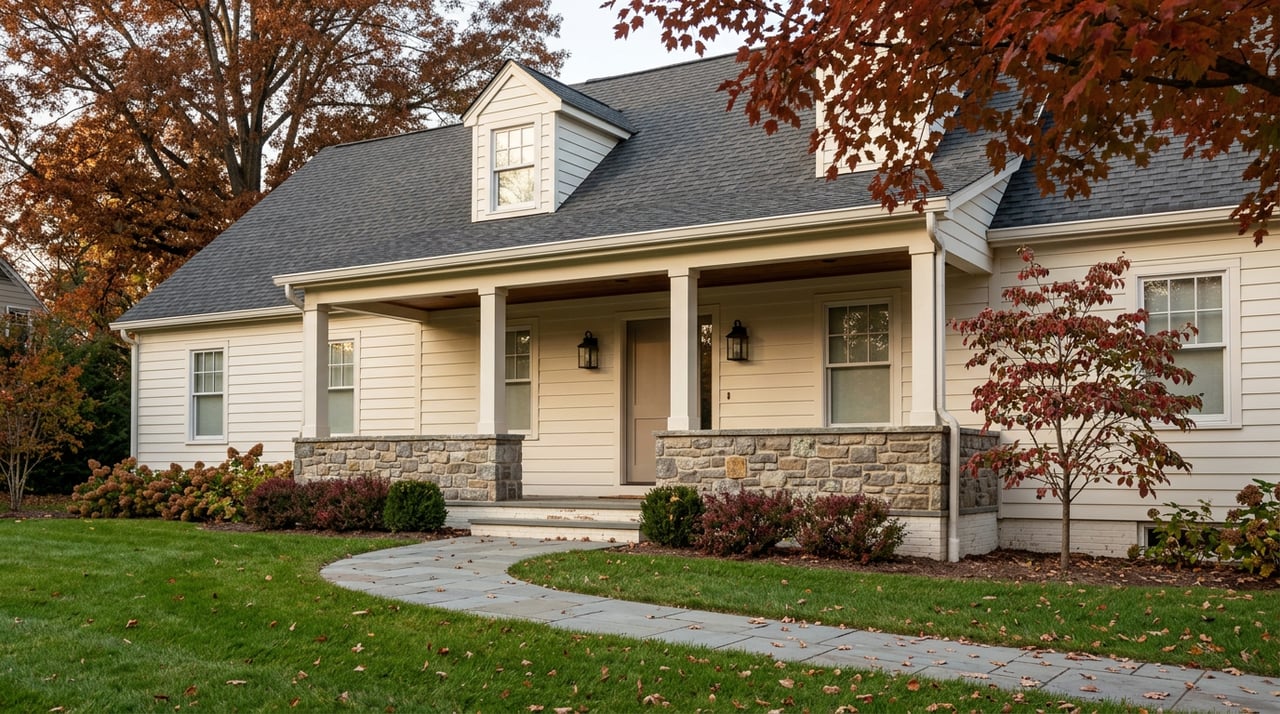
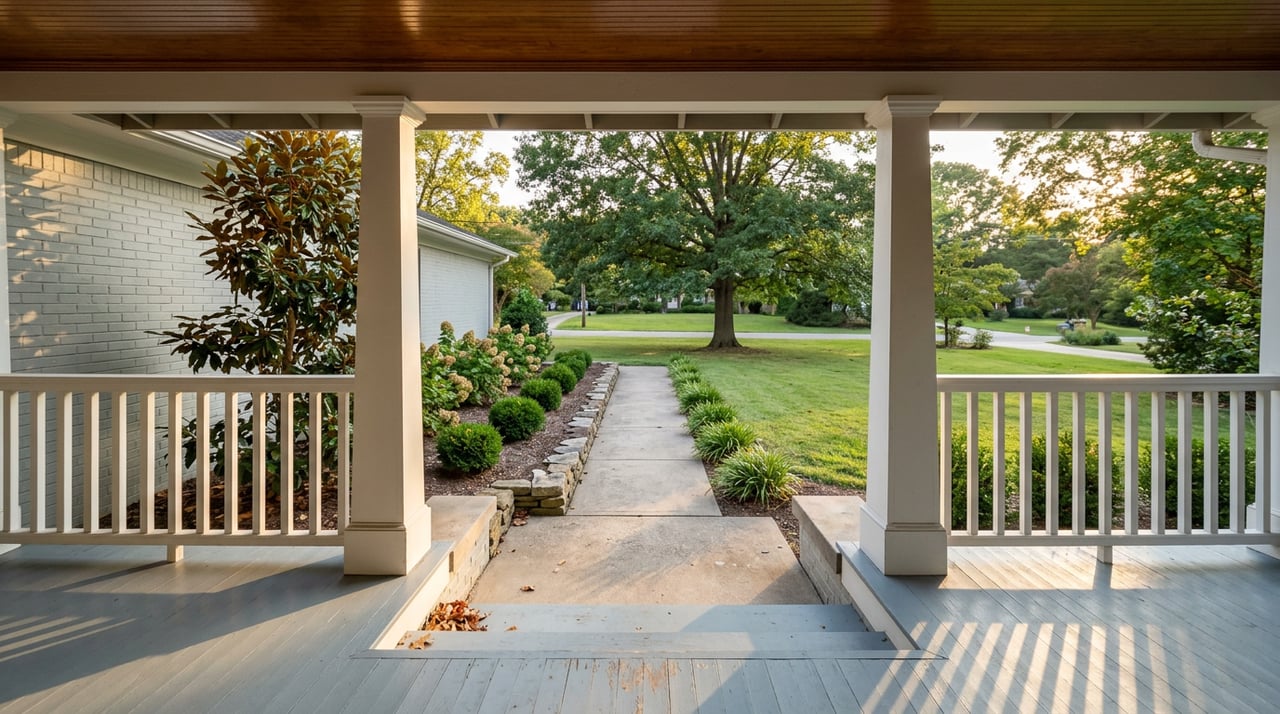
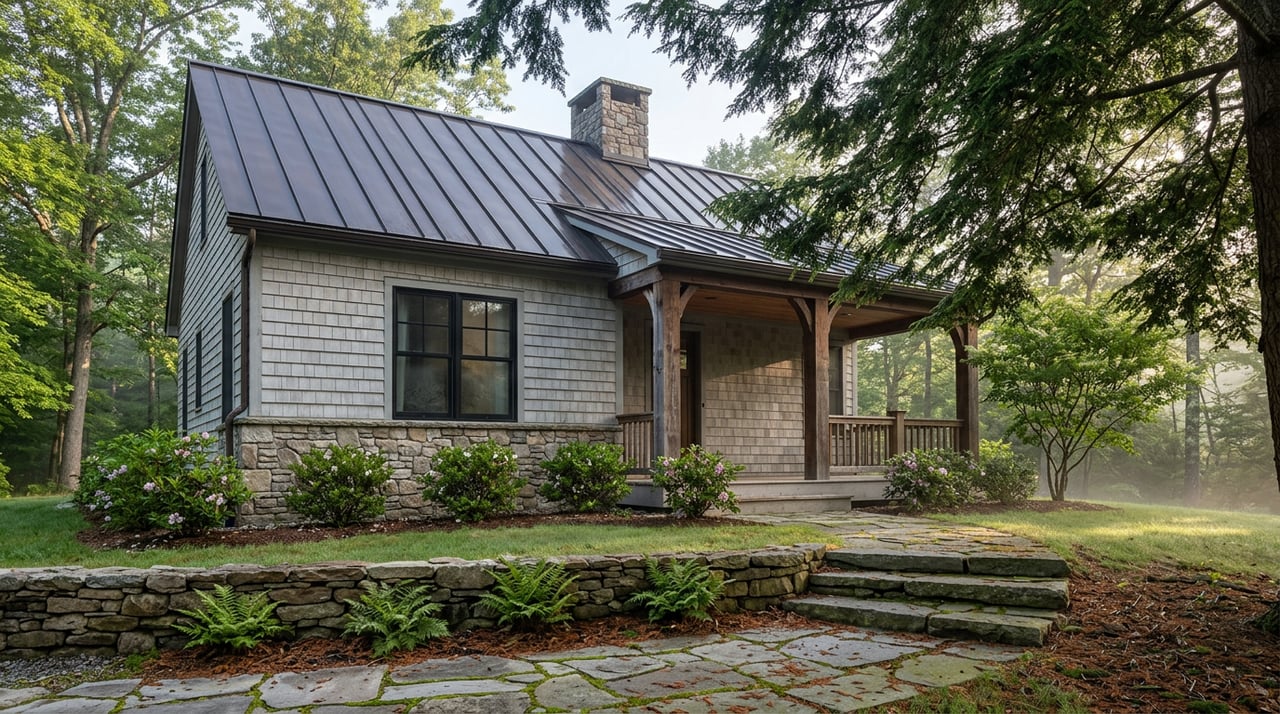
Our agents will secure you a property in this seller's market OR call on one of our legendary agents to give you a free value of what your house is worth. You might be surprised what your house is worth in today's market.