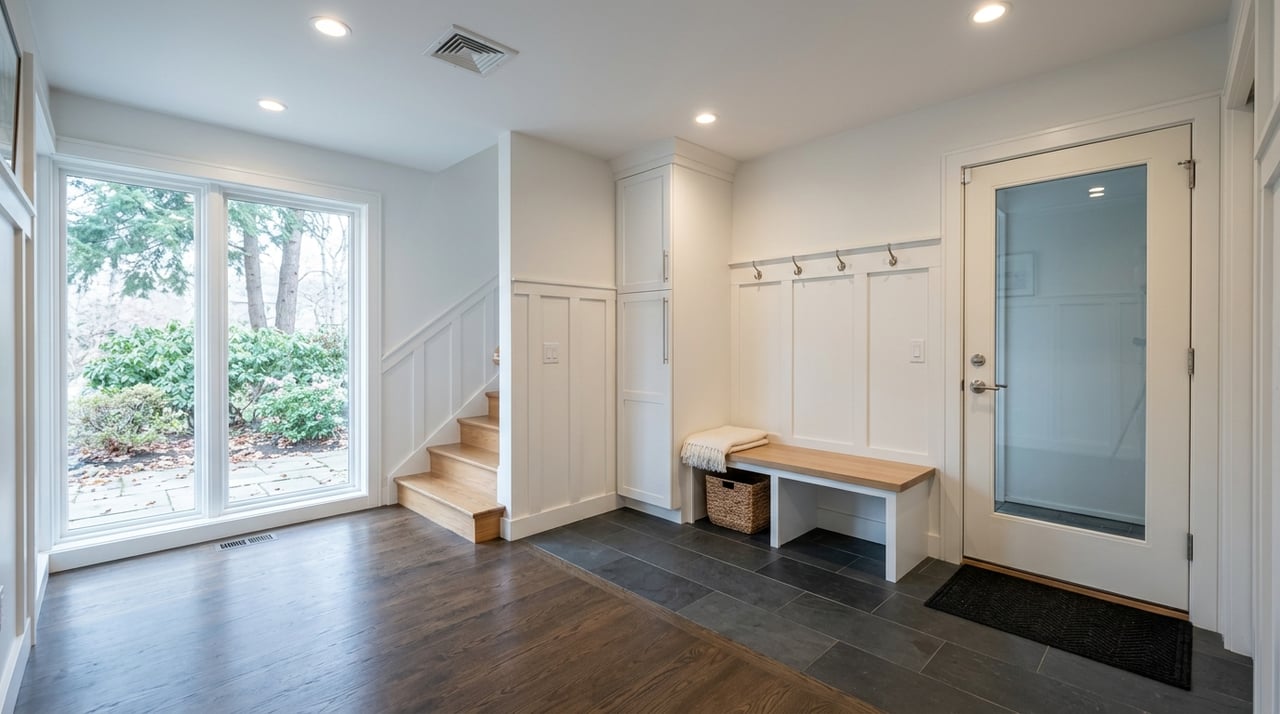
Buying A Second Home In Blowing Rock Or Boone
Thinking about a mountain getaway in the High Country? Buying a second home in Blowing Rock or Boone can be exciting, but it also comes with a different set of questions than buying your primary residence. From price differences and property types to winter access, utilities, and rental rules, a little planning can save you time, money, and stress. Let’s dive in.
If you are looking for a place to unwind, spend part of the year in the mountains, or create a long-term lifestyle base, Boone and Blowing Rock both stand out in Watauga County. Each offers access to the High Country setting that draws buyers who want a home they can enjoy throughout the year.
That said, these two markets are not the same. Price points, inventory mix, and local rules can vary enough that your ideal second home in one town may look very different from your options in the other.
Current market data shows Blowing Rock at the higher end of the local market, with Boone generally more affordable than Blowing Rock but still above many buyers’ expectations for a second-home purchase. As of April 2026, Zillow reports average home values of $749,720 in Blowing Rock, $484,758 in Boone, and $507,410 in Watauga County.
Redfin’s March 2026 median sale prices show a similar pattern at $578,000 in Blowing Rock, $385,000 in Boone, and $498,000 in Watauga County. Blowing Rock also had 71 homes for sale with a median list price of $784,650 as of April 30, 2026, which reinforces its higher-tier position.
For you as a buyer, that means budget planning matters early. If you are flexible on property type, location within the county, or maintenance needs, you may have more options than you think.
In Boone, you are likely to find a meaningful mix of condos, townhomes, detached houses, and mountain homes. Current listing categories show a solid condo and townhome supply, especially compared with some nearby areas.
That matters if you want a second home that is easier to lock and leave. Condos and townhomes can offer a lower-maintenance option, while detached homes may give you more privacy, space, or flexibility depending on the property.
In Blowing Rock, condos are also a meaningful part of the market, but the overall feel leans more toward higher-end mountain inventory. Current listings include condo options ranging from shared-interest ownership on the low end to luxury offerings above $2 million.
Detached homes are also part of the market, and buyers often see more vacation-style properties at higher price points. If your goal is a premium mountain retreat, Blowing Rock may align with that vision, but your budget may need to stretch further.
Countywide, second-home buyers should compare more than sticker price. A lower-maintenance condo may fit your lifestyle better than a detached home that requires regular exterior upkeep, driveway clearing, or private-system monitoring.
When you compare options, think about how often you will use the home, how far away you live, and how much hands-on maintenance you want between visits.
In-town and out-of-town properties can work very differently in Watauga County. If a home is within Boone or Blowing Rock town limits, municipal water and sewer may be available through the town utility systems.
Boone states that its Public Utilities Department serves customers within town limits. Blowing Rock says it provides water and sewer service and notes a $100 refundable deposit to open an account.
Outside those service areas, a home may rely on a private well and septic system. North Carolina DEQ says private wells are handled through local health departments and statewide well-testing rules, so it is smart to confirm the water source, septic status, and any needed inspections before you get too far into the process.
A mountain view can be beautiful in every season, but winter conditions should be part of your due diligence. The Blue Ridge Parkway notes that winter weather can close sections of the road because of ice and snow, especially at high elevations and in areas with north-facing slopes, tunnels, or limited sight distance.
Boone says its snow-removal season can begin as early as late October and continue until early April. Blowing Rock says the town clears town streets, while state-maintained roads are handled by NCDOT, and homeowners are responsible for clearing driveways after the main roads are cleared.
For you, the practical question is simple: Who maintains the road, who plows it, and who clears the driveway? If you live out of the area and plan to visit during colder months, those answers can shape both convenience and cost.
If you are considering a condo, townhome, or a home in a planned community, HOA documents matter. In North Carolina, HOAs are mainly governed by the Planned Community Act and the Condominium Act, and the North Carolina legislative library notes that there is no single state or federal office regulating HOAs.
That means the declaration, bylaws, and rules are the key documents to review. You will want to understand dues, what the HOA covers, and whether there are restrictions on rentals, parking, pets, exterior changes, lease length, or special assessments.
For second-home buyers, this step is especially important. An HOA may make ownership easier by handling certain maintenance, but it can also limit how you use the property.
If you hope to rent the property occasionally when you are not using it, do not assume the rules are the same across the county. Boone and Blowing Rock have different definitions and requirements for short-term rentals.
Boone defines a homestay rental as up to two bedrooms in a full-time resident’s home for periods under 30 days. It defines a vacation rental as a dwelling with up to six bedrooms rented for under 30 days, and it requires annual permits along with parking and compliance rules.
Blowing Rock allows short-term rental only in certain zoning districts. The town defines a short-term rental as a dwelling-unit rental of less than 28 consecutive days.
Because zoning matters, one of the first questions to ask is whether the property is inside Boone, inside Blowing Rock, or in unincorporated Watauga County. You should also confirm the zoning district and whether short-term rentals are allowed there at all.
If you do rent your second home on a short-term basis, local tax rules matter. Watauga County’s room occupancy tax is 6% of gross short-term rentals of less than 90 days.
Boone’s room occupancy tax form also uses 6%, and Blowing Rock says rentals of less than 90 consecutive days must pay and file occupancy taxes. If rental income is part of your long-term plan, these local requirements should be part of your budgeting from day one.
Many buyers assume they can purchase a mountain home as a second home and offset the cost with rental income. In practice, loan classification matters.
Fannie Mae says a second home must be occupied by the borrower for some portion of the year, be suitable for year-round occupancy, and cannot be rental property or a timeshare arrangement. Fannie Mae also says rental income from a second home generally cannot be used to qualify.
This is why it is important to talk with your lender early. Ask whether the loan will be classified as a second home or an investment property, what down payment and reserve requirements apply, and whether the property type creates any condo or HOA approval issues.
A second-home purchase usually goes more smoothly when you ask the right questions before making an offer. A clear conversation with your agent and lender can help you avoid surprises.
The best second home for you depends on how you plan to use it. If you want a more budget-conscious entry point with condo and townhome options, Boone may offer more flexibility. If you are looking for a higher-end mountain retreat and are comfortable with a larger budget, Blowing Rock may be the better fit.
Either way, the smartest move is to look beyond the photos. Price, maintenance, road access, utilities, HOA rules, rental restrictions, and financing all work together to shape whether a property is truly a good second-home match.
If you are ready to explore mountain properties in Watauga County, the team at RE/MAX Legendary can help you compare options, understand local market differences, and move forward with confidence.

Our agents will secure you a property in this seller's market OR call on one of our legendary agents to give you a free value of what your house is worth. You might be surprised what your house is worth in today's market.