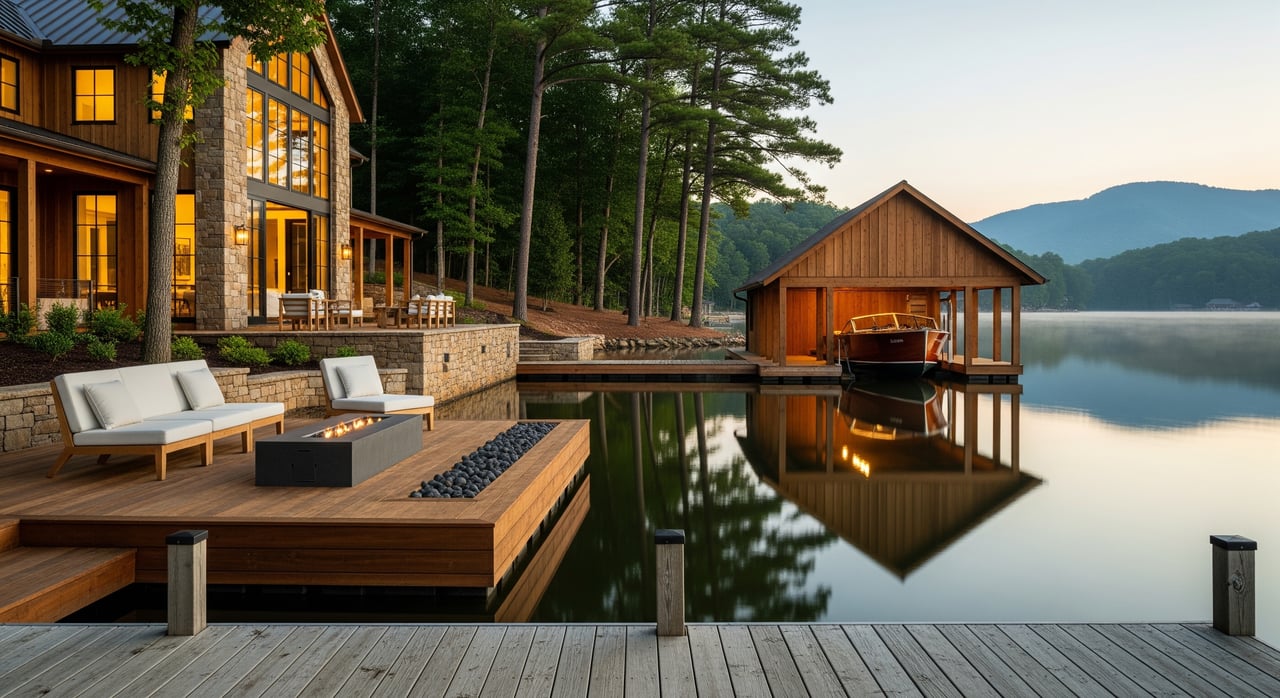
What It’s Like Living on Lake Hickory Year-Round
Imagine sipping coffee as the sun lifts over calm water, then easing into a day of boating, fishing, or simply reading on the dock. If that sounds like your speed, Lake Hickory might be calling your name. At the same time, lake living comes with its own set of rules, seasonality, and maintenance that differ from in-town Hickory life. This guide walks you through what daily life feels like on Lake Hickory, the tradeoffs to consider, and how to decide if a waterfront or lake-access home fits your goals. Let’s dive in.
Lake Hickory is a managed reservoir in Catawba County near the City of Hickory. Because it is a reservoir, water levels and shoreline use are guided by the lake’s operator and state regulations. You will want to understand how water-level changes can affect docks and ramps, and what permits are needed for shoreline work. If you plan to build, repair, or add a dock, confirm the approval process and timelines before you buy.
Many stretches of shoreline are residential, with a mix of lakefront, lake-access, and near-lake homes. Public parks, boat ramps, and marinas provide access in designated areas. Always follow posted rules for boating, fishing, and swimming.
On warm days, you can expect boats, pontoons, and personal watercraft to be out, especially on weekends and holidays. Quiet mornings and evenings are great for kayaking or paddleboarding. If you need fuel, supplies, or a bite to eat, marinas and waterfront businesses often serve as social hubs. Plan ahead for busy launch times if you trailer your boat.
You will find popular freshwater species typical of Piedmont reservoirs, and state fishing regulations apply. Anglers often head out early for calm water and better bite windows. Consider a small boat or kayak to reach coves where fish hold near structure. Always check current rules for seasons, limits, and licensing.
City and county parks around the lake offer shoreline overlooks, picnic spots, and trails. Some areas are designed for boat launching while others focus on passive recreation. Much of the shoreline is private, so use official access points and respect posted signage. Designated public swim beaches may be limited, so many residents swim from their own docks with safety in mind.
Expect strong seasonality. The lake is most active from late spring through early fall, while off-season months are generally quieter. Boat traffic and engine noise increase near marinas, main channels, and public ramps on weekends. In some coves you will experience higher wakes during peak hours, which can affect docked boats and water activities. Water-level changes can temporarily impact ramp usability and dock access, so monitor updates from the lake’s operator.
Lake neighborhoods often include a mix of full-time residents and second-home owners. Some communities host neighborhood gatherings, fishing tournaments, or social nights at marinas during peak season. Short-term rental activity varies by neighborhood, local ordinances, and HOA rules. If peace and predictability are priorities, review community covenants and local regulations before you buy.
Waterfront and direct lake-access homes usually carry a premium compared with similar in-town homes. The difference often reflects frontage, views, water depth, and dock rights. Inventory can be tighter on the lake, and standout properties tend to draw strong interest.
Lake homes often sit on larger lots with established trees and varied topography. Shoreline, water depth at the dock, and orientation to sun and wind all matter. Features like covered docks, boat lifts, and gentle slopes to the water add daily convenience and long-term value.
Owning on the water brings unique upkeep. Budget for dock installation and repairs, seawall or shoreline stabilization, and periodic erosion control. If the home has septic, you will need regular pumping and maintenance. Some neighborhoods have HOAs that collect dues for road upkeep, shared amenities, or community access areas. Insurance can differ for waterfront properties, and flood zone status may influence requirements and premiums.
Dock permitting and shoreline work are subject to the lake operator’s policies, along with local and state rules. Some parcels sit in special flood hazard areas and may require additional due diligence. Many communities have architectural guidelines that cover everything from fences to boat storage. Review these details early to avoid surprises after closing.
Many residents commute to employers in Hickory and nearby towns, while some travel to larger regional hubs. Drive times vary based on the cove, road access, and time of day. If you plan to commute daily, test the route during typical peak hours. For remote workers, prioritize reliable internet and power backup plans.
If you keep a boat on a lift, storage is simple. If you use a trailer, confirm where you can store it, whether on-site, in a community lot, or at a marina. Some HOAs restrict visible trailer storage, so clarify rules and expected fees.
Use this quick checklist to stress test your fit:
You deserve clear guidance from people who know the lake and the neighborhoods behind the listings. Our team helps you compare lakefront, lake-access, and in-town options with practical detail, including utility type, HOA rules, shoreline and dock considerations, and market conditions that affect price and timing. We also coordinate trusted referrals for lending, inspections, and service providers so you can move forward with confidence.
If you are ready to explore Lake Hickory living, connect with a local expert at RE/MAX Legendary. We will listen to your goals, map the tradeoffs, and help you find the right fit.

Our agents will secure you a property in this seller's market OR call on one of our legendary agents to give you a free value of what your house is worth. You might be surprised what your house is worth in today's market.