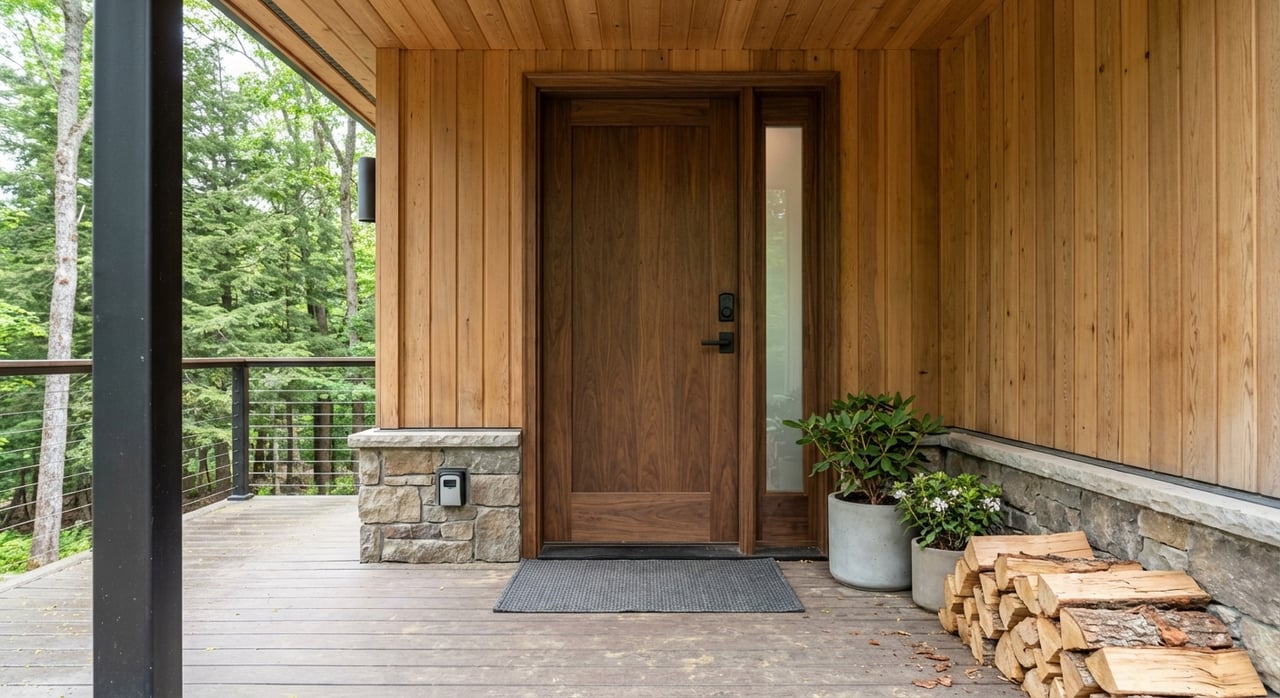
Blowing Rock Airbnb Rules and Boone Short-Term Rentals
Thinking about renting your High Country home on weekends or game days? Around Blowing Rock and Boone, short-term rentals can perform well, but the rules and costs are very local. You want clear guidance on where nightly rentals are allowed, which permits and taxes apply, and what to expect for revenue and operations. This guide gives you the essentials for Watauga County buyers so you can evaluate a property with confidence. Let’s dive in.
A short-term rental must clear two hurdles. First, town or county rules set where and how you can rent. Second, private rules like HOA covenants can allow or block nightly stays. You need both boxes checked before you close.
Boone separates “homestay” from “vacation rental” in its Unified Development Ordinance. Homestays are owner-occupied with up to two bedrooms. Vacation rentals can have up to six bedrooms. Both require an annual zoning and STR permit with safety, parking, and posting standards. You must show a local contact who can respond within two hours, meet parking minimums that often work out to one space per bedroom for vacation rentals, and post your permit number on listings and at the property. Find details on the town’s STR page and permit forms on the Town of Boone site. Review Boone’s STR requirements.
Blowing Rock allows short-term rentals only in specific zoning districts and within its STR overlay. The town requires permits or business licenses and enforces occupancy tax collection for stays under 90 days. Before you buy, verify the zoning, whether the parcel sits in an eligible overlay, and the permit path for your address using the town’s resources. See the Town of Blowing Rock short-term rental information.
Watauga County’s tourism district (District U) levies a 6% room occupancy tax on short-term lodging. Towns also collect occupancy or TDA levies used for visitor promotion. Some booking platforms collect parts of these taxes, but you are still responsible for correct registration and full remittance. Confirm in writing what the platform collects for your address, then register and remit any remaining taxes as required. Learn more on the Watauga County occupancy tax page.
North Carolina’s Planned Community Act gives associations a framework for enforcing covenants. An HOA can restrict or ban short-term leasing if the recorded documents allow it. Always obtain and read the CCRs and any rental rules before you go under contract. If language is unclear, ask your attorney for guidance. You can review the NC Planned Community Act, Chapter 47F for background.
Zoning can change, but this practical map helps you target likely outcomes fast.
Commercial and mixed-use zoning near Boone’s B1, B2, and B3 districts and Blowing Rock’s town center often allow or are more receptive to vacation rentals. These buildings may have age or character rules, so still verify the details with planning staff. Use town maps and the STR overlay to confirm.
Some residential districts allow homestays or vacation rentals, but with conditions. Expect transitional buffers, annual permits, parking rules, occupancy caps, and other site standards. Boone’s ordinance lists which districts permit which use and sets transitional protections. Always check the current ordinance text and ask for written guidance.
Many single-family or conservation districts are more restrictive. Neighbors sometimes petition for overlays that limit nightly stays, and HOAs in these areas often restrict short-term leasing. Do not assume a neighborhood allows STRs because a few listings appear online. Confirm with the town and the HOA.
Outside town limits, county zoning can be more flexible. Properties still fall under county occupancy tax rules and health department oversight. In mountain settings, septic, well, and access often drive feasibility as much as zoning.
Permits, on-site posting, and operations standards are part of life for a compliant STR in town limits.
Boone requires an annual permit for homestays and vacation rentals. You must post your permit number on all listings and at the property. A local contact who can respond within two hours is required. Repeated, verified noise or nuisance violations can trigger permit revocation. Confirm whether a permit transfers on sale or if you must reapply after closing. See the Boone STR page for process details.
Expect fire and building code compliance with basics like working smoke and carbon monoxide detectors and fire extinguishers. Towns may ask for proof of compliance when you apply or renew. Plan for periodic checks to keep gear in working order.
Onsite wastewater capacity is a major limiter in the High Country. North Carolina design guidance often plans for about 120 gallons per day per bedroom and 60 gallons per day per person if occupancy exceeds two per bedroom. STRs can create higher peak flows than full-time occupancy. Pull septic permits and well records, then match capacity to your intended bedroom count and guest load. Start with the state’s onsite wastewater rules and contact the local health department for site records.
The High Country has several peak seasons that shape your pricing and occupancy plan.
You can expect multi-peaked demand. Late spring and summer bring outdoor recreation. Fall leaf season drives premium rates for view cabins and walkable locations. Winter holidays and ski weekends add strong bursts tied to nearby resorts. College-town events in Boone create spikes around home football, orientation, and commencement. Local tourism groups promote these periods, which helps sustain visitor flow. See Blowing Rock’s tourism media resources for context.
A simple formula can frame potential: gross revenue equals average daily rate times occupancy rate times 365. Here are three illustrative scenarios from the local market research you should validate with real comps:
From gross revenue, subtract operating costs such as management, cleaning and turnover, utilities, insurance endorsement, property taxes, and reserves. A conservative model often assumes 30 to 50 percent of gross for all operating costs, with higher totals if you use full-service management.
Before you rely on any projection, ask the seller for 12 to 24 months of booking history that shows ADR and occupancy by month. Local managers and STR data providers can produce market reports for your product type and address. Validate the numbers with actual P&L and tax remittance records.
Set expectations now so your pro forma matches reality.
Full-service professional managers often charge about 20 to 30 percent of booking revenue, depending on the package. Lighter marketing-only options can be lower. Guests typically pay a cleaning fee, but you should still budget the cost per turn and add seasonal deep cleans.
Many homeowner policies exclude or limit short-term rental use unless you add an endorsement or move to a specific STR policy. Request quotes early. If you plan to finance, confirm your loan program allows non-owner or transient use and understand any occupancy clauses.
Mountain weather adds snow removal and access planning to your budget. Town rules also set parking minimums. Guests value safe, well-marked driveways and clear parking guidance. Review driveway grades and winter maintenance responsibilities during due diligence.
Use this list to move from interest to verified readiness. Put each item in writing and keep copies in your file.
A recent local case confirmed that prior short-term rental use can matter a lot. In 2022, the North Carolina Court of Appeals found that a property owner in Blowing Rock could continue a pre-existing nightly rental as a grandfathered nonconforming use when the prior ordinance was ambiguous and the use had been continuous. The case is Frazier v. Town of Blowing Rock. For you, this means permit records, older listings, and tax filings can help prove an existing use. Ask for that history during your inspection period.
You deserve a clear path from idea to income. Our team pairs national RE/MAX reach with local, owner-led guidance across the High Country. We help you target STR-friendly areas, gather the right documents, and connect with trusted local resources for permits, tax registration, and operations. If you are selling, we bring professional marketing and broad syndication to showcase your home and its rental potential to qualified buyers.
Ready to explore a property around Boone or Blowing Rock with a practical plan? Connect with RE/MAX Legendary and Call a Legendary Agent today.

Our agents will secure you a property in this seller's market OR call on one of our legendary agents to give you a free value of what your house is worth. You might be surprised what your house is worth in today's market.