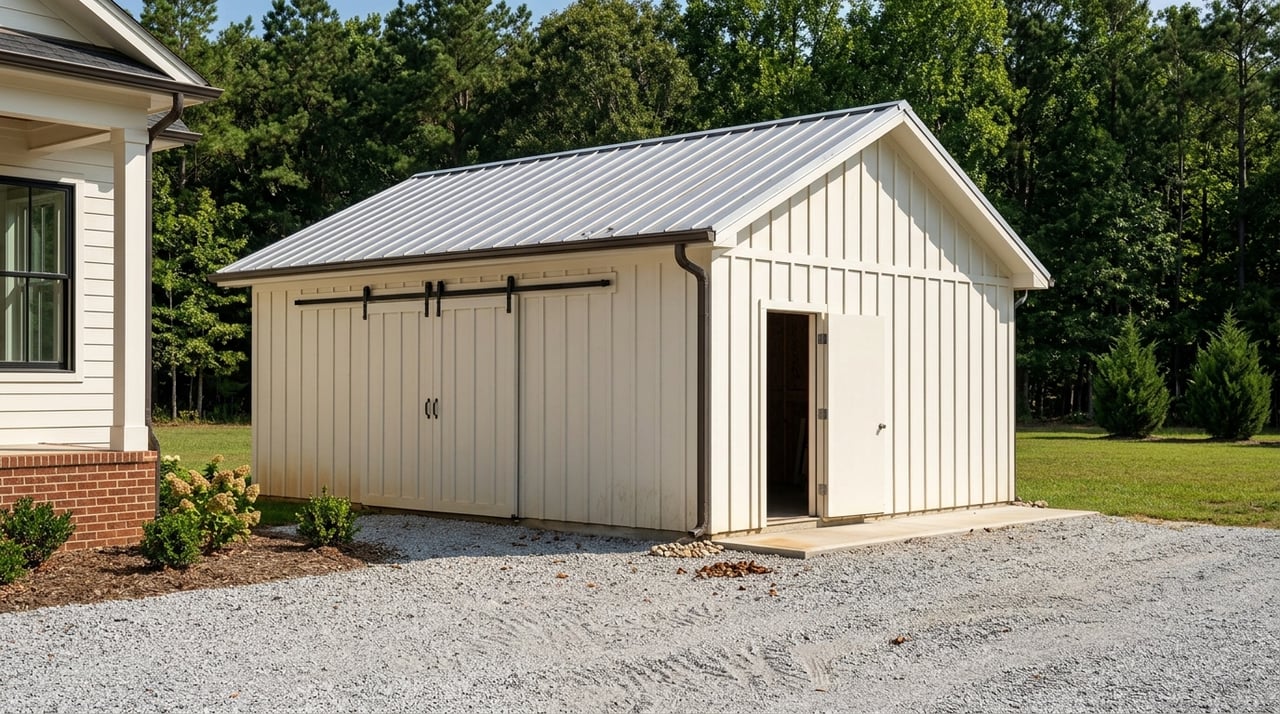
Pricing And Marketing Acreage Properties In Taylorsville
If you are selling acreage in Taylorsville, pricing it like a standard home on a big lot can leave money on the table or scare off the right buyers. Rural property buyers look beyond the house and ask detailed questions about usable land, timber, water, access, taxes, and restrictions. When you understand how acreage is valued and marketed in Alexander County, you can position your property more clearly and attract more serious interest. Let’s dive in.
Taylorsville sits in a distinctly rural part of North Carolina. According to Alexander County Soil & Water, about two-thirds of the county is farmland, and the county has an estimated population of 35,958 as of July 1, 2024. That local context matters because buyers often view acreage here through a farm, mini-farm, timber, or rural lifestyle lens rather than a suburban one.
Local planning and tax details also shape value. Alexander County notes that zoning and future land use tie into the county GIS system and Rural/Agricultural planning areas, while the FY 2025-26 property tax rate remained 65 cents per $100 of valuation. For sellers, that means acreage pricing is influenced by how the land can be used today, not just by total size.
One of the biggest mistakes sellers make is treating every acre the same. NC State Extension's farm planning workbook explains that parcel value should account for buildings, location, pasture, timber, and other structures like wells and fencing. In simple terms, 20 acres of open, functional pasture may not be valued the same way as 20 acres of steep wooded land.
A strong pricing strategy usually separates the property into parts, such as:
This layered approach gives buyers a clearer picture of what they are actually purchasing. It also helps support your asking price with facts instead of general impressions.
For many acreage properties in Taylorsville, taxes are a major part of the story. NC State Extension's overview of Present Use Value explains that qualifying land may be taxed based on its current agricultural, horticultural, or forestry use rather than its highest and best use. Generally, that means at least 10 acres for agriculture, 5 acres for horticulture, and 20 acres for forestry.
This program is a tax deferment, not a permanent exemption. Residential improvements are valued separately, and if the property's use changes, rollback taxes for the prior three years of deferred taxes can apply. If your property is in PUV, buyers need that explained early so there are no surprises during due diligence.
Timber can significantly affect acreage pricing, but only when it has real market value. According to NC State's 2025 standing timber report, stumpage prices vary by species, location, access, product type, and distance to the mill. That means two wooded tracts with the same acreage may have very different value.
If your property has mature pine or hardwoods, it may be worth getting professional input before setting a price. A timber estimate can help you avoid underpricing a tract that has merchantable timber or overpricing one that does not.
Acreage buyers usually want more than square footage and bedroom count. NC FarmLink's farmland selling guidance recommends preparing a full property inventory that includes cropland, timber acres, pasture acres, pond size, irrigation capacity, well details, drainage, easements, taxes, and improvements.
That type of information is especially important in Taylorsville because buyers may be comparing your property to working farms, mini-farms, recreational tracts, or house-and-land combinations. The more complete your listing package is, the easier it becomes for buyers to determine whether the property fits their goals.
Useful pre-listing details often include:
Before your property goes live, it helps to verify as much as possible through Alexander County GIS. The county says its GIS includes parcels, floodplains, watersheds, farmland preservation, soils, zoning, and structures. It is also a practical tool for checking zoning by address, PIN, or parcel ID.
This matters because acreage buyers often ask detailed questions early in the process. If you can identify floodplain areas, confirm zoning, and understand how the tract appears on county mapping, your listing presentation becomes more accurate and more credible.
Alexander County's Voluntary Farmland Preservation Program is another factor that can shape buyer expectations. The county reports that the program includes 85 farms and more than 13,483 acres, and enrolled land is flagged on the GIS map so buyers know they may be near normal farm activity such as noise, smells, and related operations. That context should not be treated as a footnote.
If your tract is enrolled or located near preserved farmland, transparency helps buyers understand the setting. It can also help you attract the right audience from the start, especially buyers who are specifically looking for rural property and know what comes with that environment.
Acreage needs more than a few basic listing photos. The National Association of Realtors notes that many buyers begin shopping online, and listing photos often influence what they decide to visit. For a rural property, your online presentation has to explain the land as well as the home.
That is where professional visuals matter. Clear photography, virtual tours, and floor plans help buyers understand the residential side of the property, while aerial images can help explain the land itself.
According to NAR's guidance on drone imagery in real estate, drone photos can show layout, access, outdoor features, rooflines, and surrounding land uses. For acreage in Taylorsville, those images can be especially useful for showing field layout, wooded sections, ponds, and how the house sits on the tract.
Acreage buyers tend to skim for facts that tell them whether a showing is worth the drive. That means your listing remarks should go beyond broad phrases and give useful, specific information. Buyers often want to know how much of the tract is open, wooded, accessible, buildable, or already improved.
The strongest acreage descriptions usually highlight details such as:
This kind of detail helps online shoppers decide faster and reduces confusion once inquiries start coming in.
In a market like Taylorsville, your acreage may appeal to several types of buyers. Based on Alexander County's rural agricultural setting and NAR's online-first search behavior, likely audiences can include buyers seeking a house with usable land, buyers interested in pasture or hay ground, buyers looking for timber or recreational acreage, and out-of-area buyers seeking privacy and rural space.
Because these groups have different priorities, marketing should clearly show both the home's features and the land's function. A polished presentation can help buyers quickly understand whether the property is best suited for residential use, agricultural use, or a mix of both.
Statewide averages can offer general context, but they should not replace local analysis. The USDA's 2024 North Carolina agricultural statistics show average farm real estate value at $5,190 per acre, cropland at $5,120 per acre, and pasture at $5,810 per acre as of January 1, 2024. Those are not Taylorsville comps, but they do show why productive acreage can carry a different value than marginal land.
NC FarmLink also notes that recent comparable sales and, in many cases, a formal appraisal are often the best way to estimate current value. If you are selling acreage, the goal is not simply to pick a price per acre. The goal is to support the full value story of the home, the land, and the improvements together.
Acreage sales often involve more moving parts than traditional residential listings. There may be tax questions, land-use questions, timber questions, and infrastructure details that a typical homebuyer never has to consider. The better prepared you are before listing, the more confident buyers tend to feel.
That is where a marketing-first approach can make a real difference. When your property is presented with strong visuals, complete facts, and a pricing strategy built around the actual components of the tract, you are in a better position to attract the right attention and negotiate from a place of clarity.
If you are thinking about selling acreage in Taylorsville, working with a team that understands both land presentation and residential marketing can help you put the full picture together. To talk through your property and your next steps, connect with RE/MAX Legendary.
Our agents will secure you a property in this seller's market OR call on one of our legendary agents to give you a free value of what your house is worth. You might be surprised what your house is worth in today's market.